Wellington's tap water is soft. Tiaki Wai classes water under 100 mg/L of calcium carbonate as soft, and the supply to Wellington, the Hutt Valley and Porirua sits well below that. Most homes on town supply do not need a water softener. Filters here are usually about taste, chlorine or tank water rather than hardness, and limescale is rarely the main problem in Wellington cylinders.
Hard water gets searched a lot because in some places limescale clogs shower heads, kettles and hot water cylinders. Wellington homeowners can mostly set that worry aside. The questions that matter more here are taste, chlorine, older pipework and what to do if you rely on a rainwater tank.
This guide explains where the region's water comes from, what soft water means for pipes and cylinders, and which filter suits town supply and which suits tank water. Kāpiti homes are supplied by Kāpiti Coast District Council rather than Tiaki Wai, so the hardness figures below do not apply there.
Is Wellington tap water hard or soft?
Soft. Hardness is a measure of the calcium and magnesium in water, expressed as calcium carbonate, and Tiaki Wai says water below 100 mg/L can be described as soft. It classes the supply to Upper Hutt, Lower Hutt, Porirua, South Wairarapa and Wellington as soft.
The figures it publishes are mean values from the 2018/19 year, so treat them as a guide rather than today's exact numbers. Even so, all three treatment plants sat far below both the soft threshold and the 200 mg/L guideline value, which is an aesthetic limit rather than a health one.
| Measure | Total hardness (as calcium carbonate) |
|---|---|
| Te Marua treatment plant, 2018/19 mean | 18 mg/L |
| Wainuiomata treatment plant, 2018/19 mean | 36 mg/L |
| Waterloo and Gear Island, 2018/19 mean | 47 mg/L |
| Threshold for soft water | Under 100 mg/L |
| Guideline value for hardness | 200 mg/L |
Where does Wellington's water come from?
From three sources: the Hutt River, the Wainuiomata and Orongorongo rivers, and the Waiwhetū Aquifer under the Hutt Valley. Together they supply an average of more than 160 million litres a day to Wellington, Lower Hutt, Upper Hutt and Porirua.
Hutt River water is taken at a weir at Kaitoke, north of Upper Hutt, screened and treated at Te Marua. The Wainuiomata intakes provide about 15% of the year's supply and the Orongorongo about 5%, both treated at Wainuiomata. Water in the aquifer is filtered naturally underground and takes more than 12 months to reach the wells.
Kāpiti is separate. Kāpiti Coast District Council supplies Paraparaumu and Raumati from the Waikanae River, topped up from a borefield in dry summers, so check the council's own water quality information if you live there.
Do I need a water softener in Wellington?
Almost certainly not, if you are on town supply. A softener removes calcium and magnesium, and Wellington's water carries little of either, so fitting one means paying to fix a problem the water does not have.
If you do see a hard-water symptom, such as thick white crust on shower heads, check the source first. A home on a private bore or spring may have quite different water, and the only way to know is to have it tested.
What Wellington households notice more often is taste or smell, sometimes from chlorine, or a metallic taste first thing in the morning in an older house. A filter deals with those far better than a softener.
Not sure what your water needs?
Cheeky's Plumbers can check your supply, explain the options and give you a fixed price for the right filter before any work starts.
Does soft water affect pipes and hot water cylinders?
Soft water leaves little scale, so the thing to watch is corrosion rather than build-up. Tiaki Wai adjusts the pH of the water during treatment specifically to reduce its aggressiveness on pipework and tapware.
Tiaki Wai also notes that water left standing in fittings for several hours can pick up traces of metals such as lead, copper and nickel from the plumbing, a process called plumbosolvency. Its advice is to run a mugful from the tap each morning before drinking. That habit matters most in older homes with original fittings.
For cylinders, little scale is good news, but a cylinder still needs looking after. Valves wear, relief valves can start to drip and thermostats drift. A regular hot water servicing visit checks the valves, the temperature setting and the connections, which does more for a cylinder's life than the hardness of the water.
Which filter suits town supply and which suits tank water?
On town supply, a carbon filter at the kitchen tap or on the incoming main is usually enough, because the water is already treated and the aim is better taste and less chlorine. On a rainwater tank you need more: screening, a first-flush diverter, finer filtration and usually a UV steriliser.
BRANZ says roof water systems should ideally include several different types of filter, and that UV light only works when the water passing it is relatively clear, so filtration comes before the lamp. The Ministry of Health's leaflet on water collection tanks also recommends gutter mesh, a fine debris screen and a first-flush diverter.
BRANZ describes two ways to fit a filter. A point-of-use filter treats water at one tap, usually the kitchen, and is the simpler and cheaper option for town supply. A point-of-entry system is installed centrally and treats all the water coming into the house, which suits a tank supply where every tap, shower and appliance needs treated water.
Our water filtration service fits both kinds of system, and our rainwater tanks team can set up the screens and diverter on the tank side.
| Supply | What you are dealing with | Typical setup |
|---|---|---|
| Town supply | Chlorine taste or smell | Carbon filter at the kitchen tap or point of entry |
| Town supply, older home | Traces of metal from water standing in old fittings | Run a mugful each morning; carbon filter; plan pipe replacement |
| Rainwater tank | Bacteria, roof debris and sediment | Leaf guards, first-flush diverter, sediment and carbon filters, UV steriliser |
| Private bore or spring | Unknown until tested | Test first, then choose treatment |
When is it worth testing your water?
Test when you are on a private supply, when a tank has sat unused or may have been contaminated, or when you notice a new taste, colour or smell. Town supply is treated by Tiaki Wai and regulated by Taumata Arowai, the national drinking water regulator, so home testing for hardness is rarely needed.
Tank owners have a few extra rules of thumb from BRANZ. Wait for at least one good rainfall on a new roof before connecting a downpipe to a drinking water tank, and do not drink collected water that has run over uncoated lead flashings or treated timber.
Cheeky's Plumbers can tell you what your water actually needs before you spend money on equipment, whether that is a carbon filter in a Thorndon villa or a full tank setup on a lifestyle block. Our Hutt Valley plumbers look after homes on both town and tank supply, or you can book online.
Frequently Asked Questions
Is Wellington tap water safe to drink?
Town supply is treated by Tiaki Wai and regulated by Taumata Arowai. If you notice a sudden change in taste, colour or smell, report it to Tiaki Wai on 0800 842 549. In older homes, run a mugful from the tap first thing in the morning before drinking.
Why does my kettle still get white flakes?
Even soft water carries a little mineral, and boiling the same kettle over and over can leave a thin film. In Wellington it is usually minor. Heavy, fast build-up suggests a different supply, such as a bore or spring, which is worth testing.
Do I need a filter to remove chlorine?
Not for safety. Chlorine helps keep water safe as it travels through the network. If you dislike the taste, a carbon filter at the kitchen tap removes most of it, and a jug of water left in the fridge for a while also helps.
Does soft water make a cylinder last longer?
Less scale helps elements and valves, but a cylinder's life depends on many things, including water pressure, valve condition and how it was installed. Regular servicing does more for lifespan than the hardness of the water.
Is Kāpiti water soft too?
Kāpiti water comes from Kāpiti Coast District Council, not Tiaki Wai, so the Tiaki Wai hardness figures do not apply. Check the council's water quality information or ask a plumber to arrange a test of your water.
Our Services
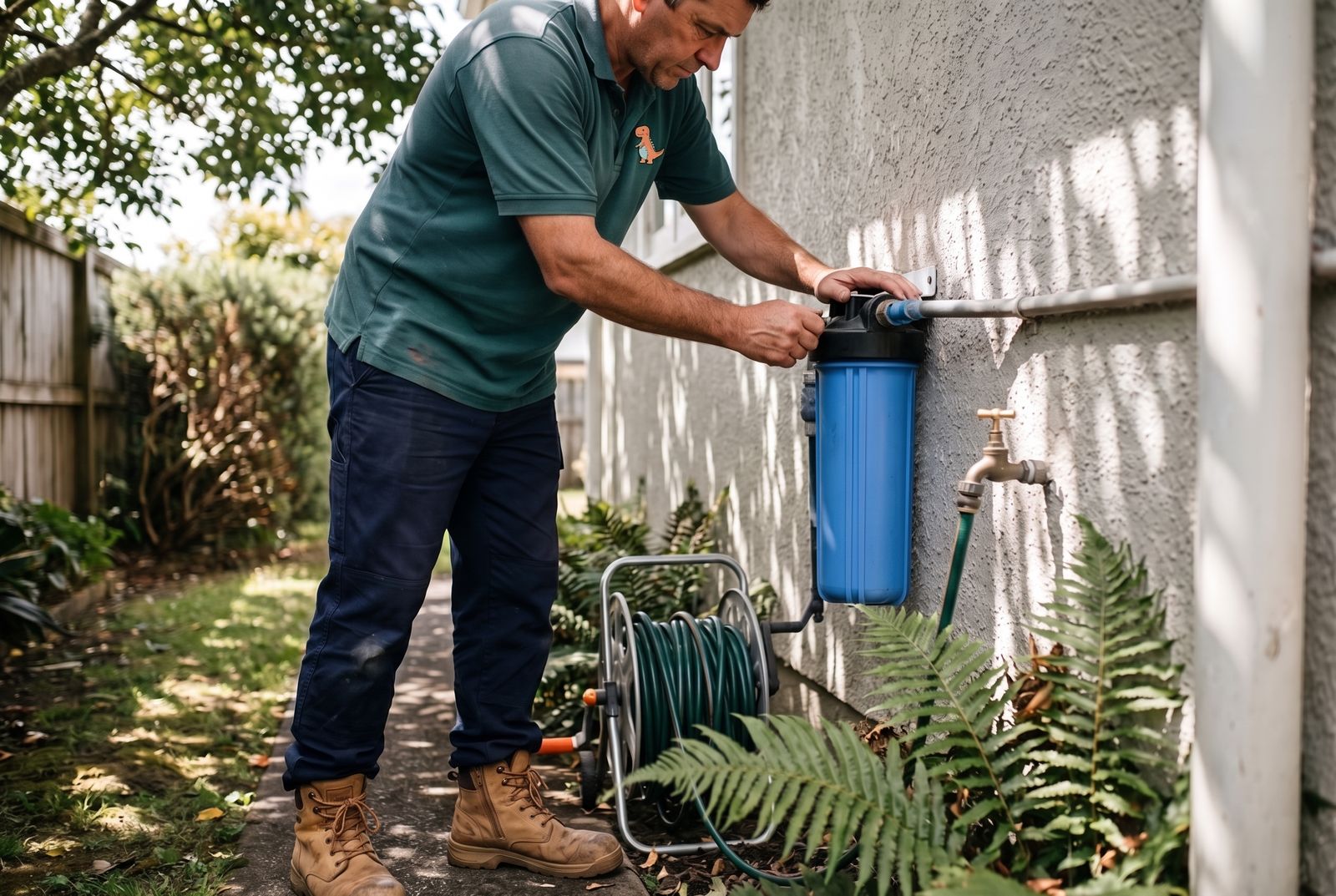
Water Filters
Whole-house and under-sink filtration for cleaner, better-tasting water.
View service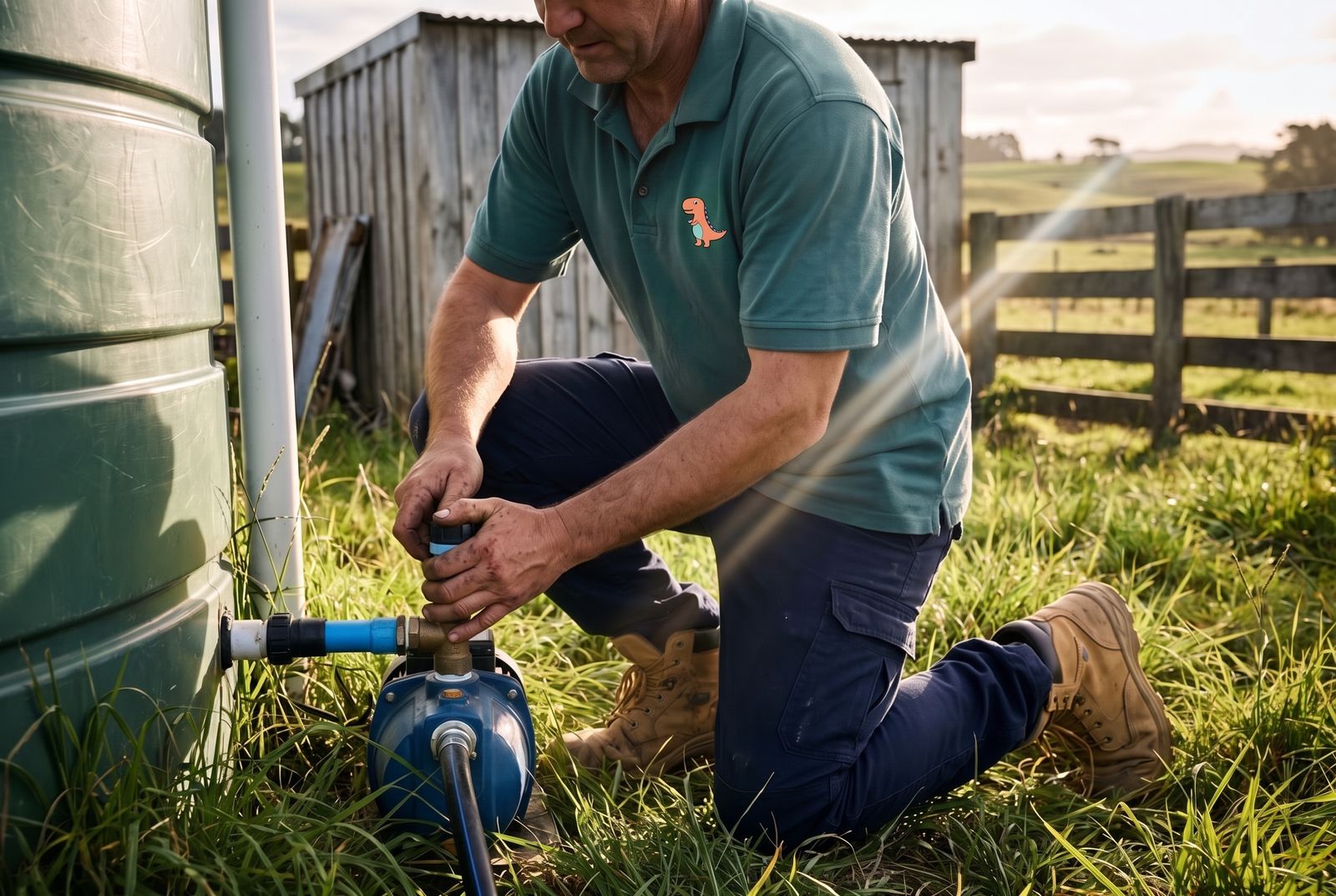
Water Tanks
Rainwater tank installation, pump setup and maintenance for rural and urban properties across the Wellington region.
View service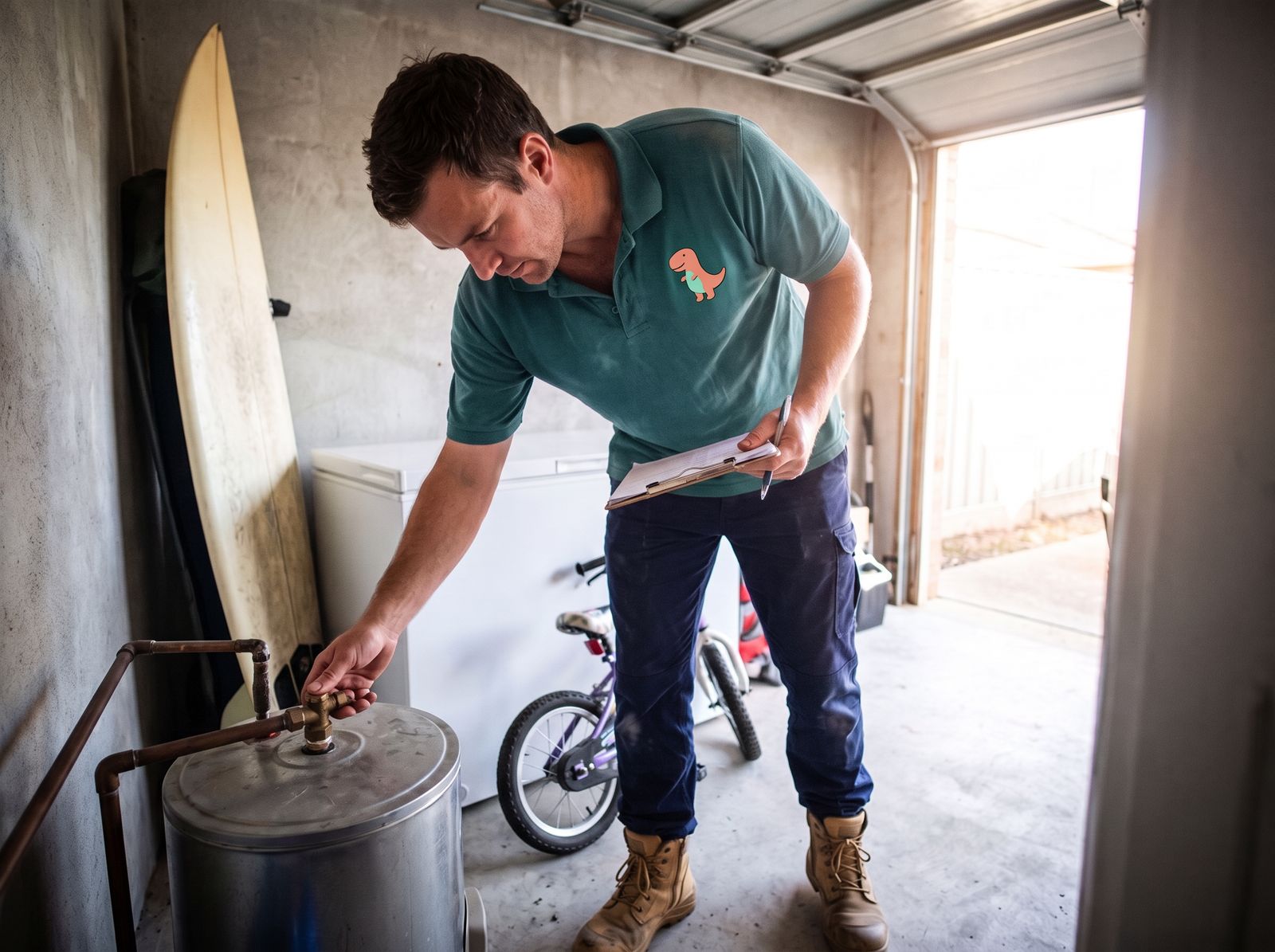
Hot Water Servicing
A quick service checks your valves, element and pressure so your cylinder lasts longer and stays safe.
View serviceRead Next
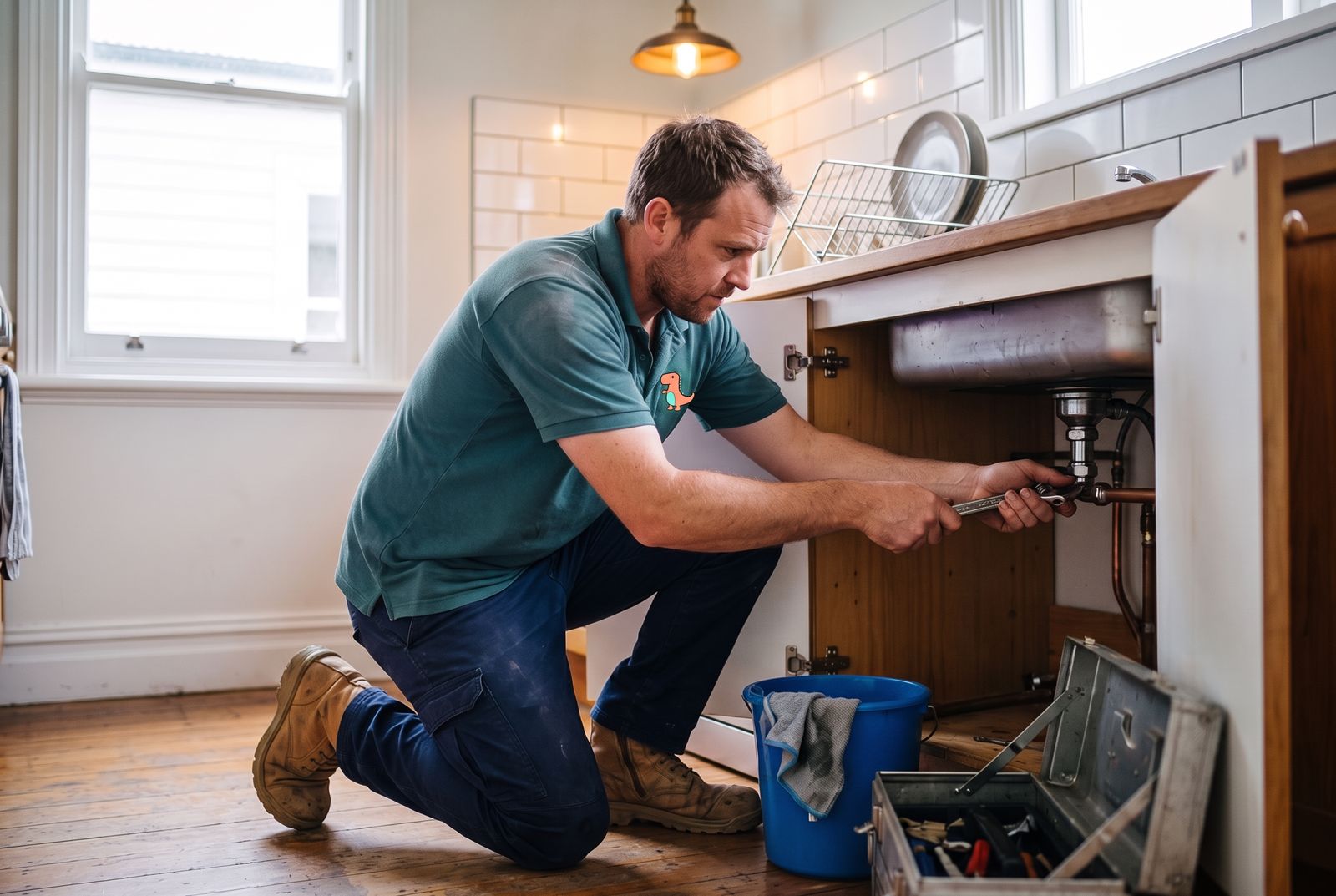
Old Pipes Under Wellington Villas: Galvanised Steel, Copper and When to Replace
Many Wellington villas and cottages still have some original galvanised steel water pipe under the floor or in the...
Read article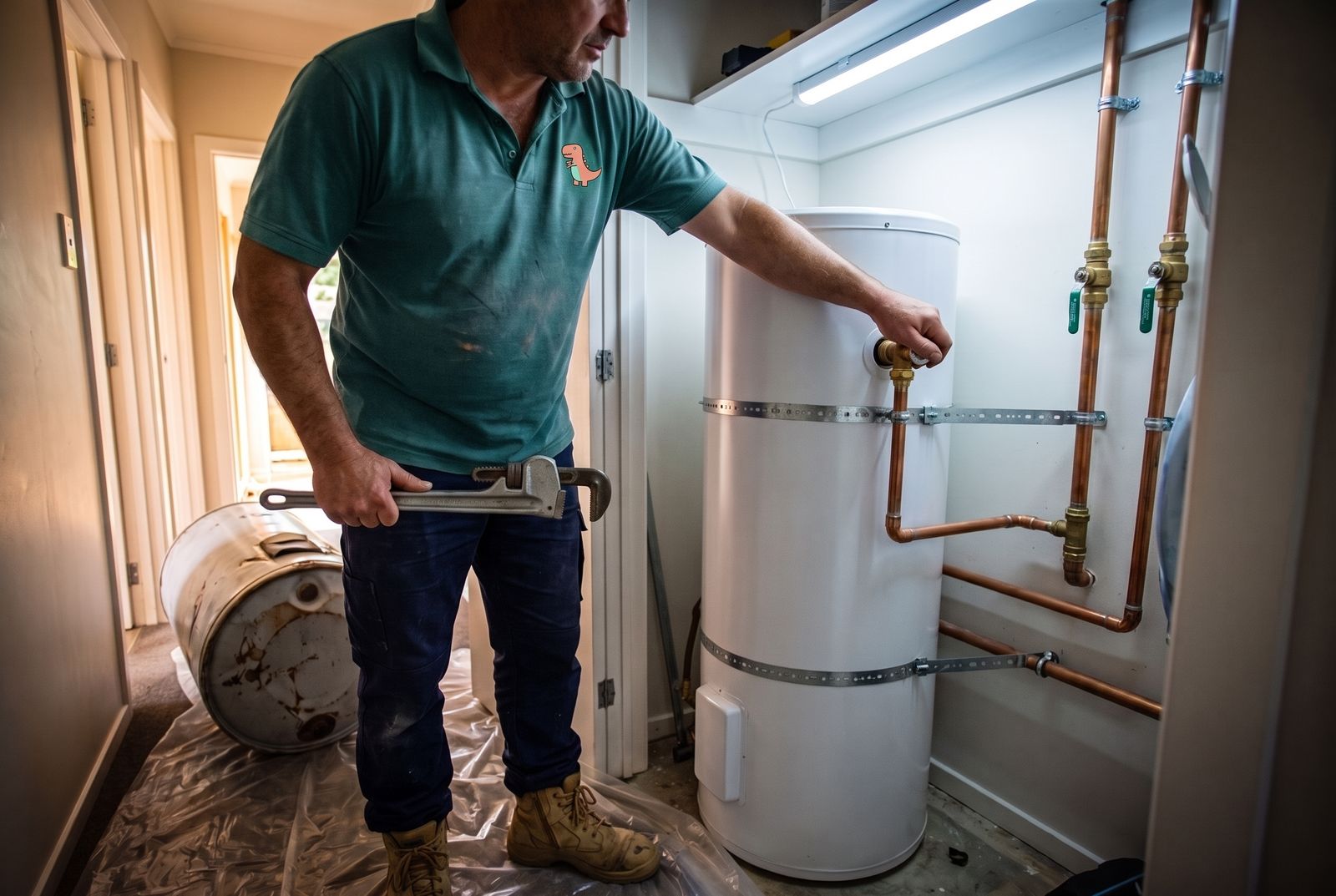
Gas, Electric or Heat Pump Hot Water in Wellington: Which Costs Less to Run?
For most households a hot water heat pump costs the least to run, a standard electric cylinder costs the least to buy,...
Read article
Emergency Water Storage for Wellington Homes: How Much and Where to Keep It
WREMO, the Wellington region's emergency management office, says every household needs its own water for at least seven...
Read articleSources
More plumbing advice from the Cheeky's Plumbers team.
