

A cylinder that is leaking from the tank, rusting through or simply cannot keep up with the household is not worth more repair bills. Replacing it is also the chance to fix whatever annoyed you about the old one: a weak shower, running out of hot water by the third person, or a unit that takes up half the hallway cupboard.
We replace electric and gas storage cylinders in homes across Wellington, the Hutt Valley, Porirua and the Kāpiti Coast. You get a clear quote, a cylinder sized for how your household really uses hot water, a tidy install that meets the Building Code.
Pricing: quotes are free, and every job gets a fixed price before we start, so there are no surprises on the invoice.
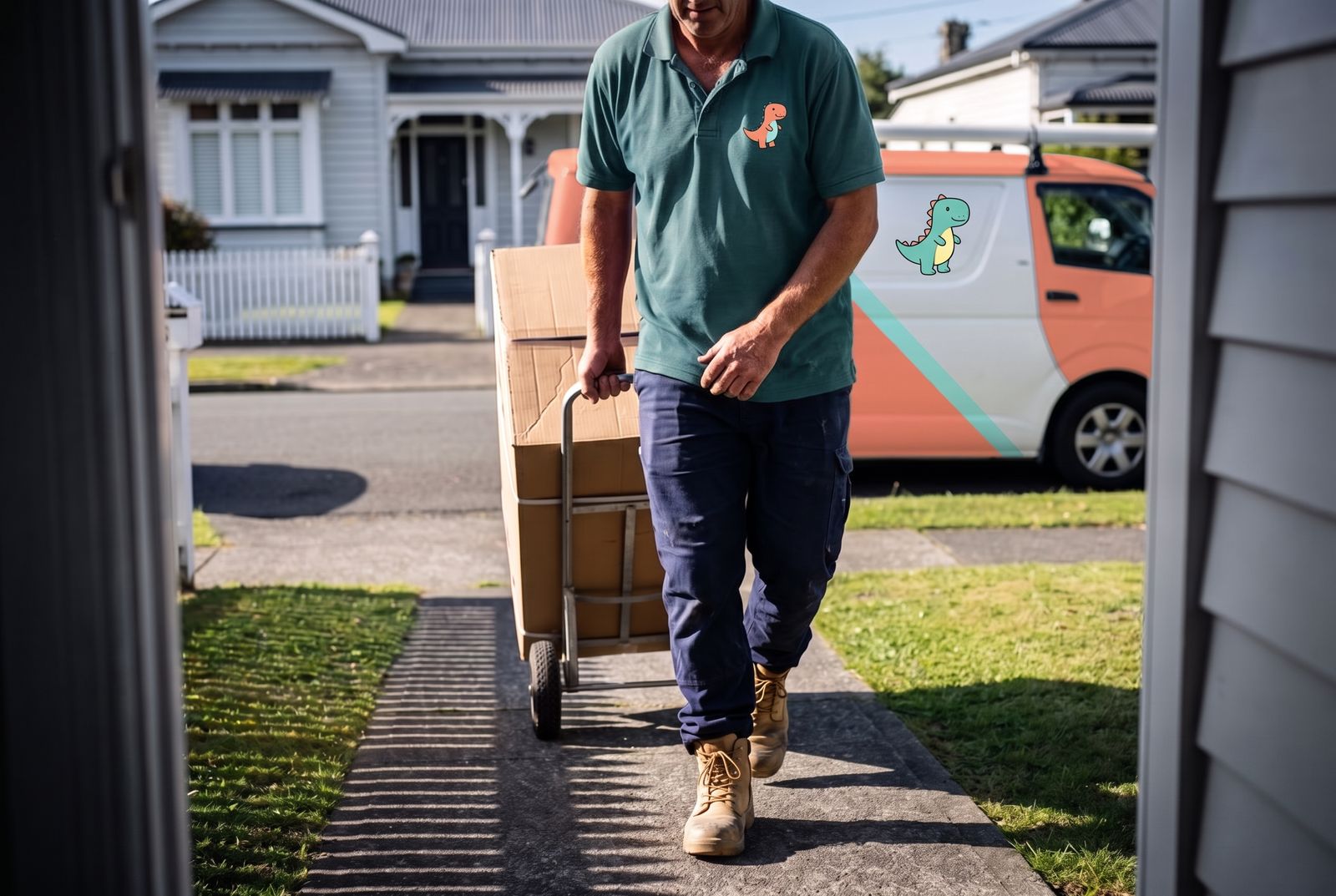
Hot Water Cylinders Jobs We Handle Across Wellington
- Hot water cylinder replacement
- Changing a hot water cylinder
- Mains pressure cylinder upgrades
- Low to mains pressure conversions
- Like-for-like cylinder swaps
- Cylinder replacement cost quotes
When it is time for a new cylinder
Consumer NZ puts the life of a cylinder at around 10 to 15 years. Age alone is not a reason to replace one, and plenty of faults are a straightforward hot water repair. These signs usually mean replacement is the better call:
- Water leaking from the tank shell rather than a valve or fitting
- Rusty hot water or flakes coming out of the taps
- The household has grown and the cylinder runs out every evening
- You want mains pressure showers instead of a low pressure header tank
- Several repairs on the same unit in the last few years
- A renovation where you want the cupboard back
Earthquake restraint is not optional here
A full cylinder is very heavy, and Wellington sits on active faults. The Wellington Fault runs through the city and along the Hutt Valley, and GNS research estimated about an 11 percent chance of it rupturing in the next 100 years. An unrestrained cylinder can topple in strong shaking, tearing its pipe connections and flooding the house, or cutting the gas supply on a gas unit.
Building Code acceptable solution G12/AS1 sets out how storage water heaters are restrained. Every cylinder we fit is strapped into the framing to suit its size and the wall it is on, and the Natural Hazards Commission (formerly EQC) publishes guidance on securing heavy water tanks in the home. If you are not replacing yet, we can check the straps on your existing cylinder while we are there.
How It Works
Choosing the right replacement
The main decisions are pressure, size and fuel. Mains pressure cylinders give strong, even showers and are the usual choice in new installs, but the pipework in an older villa or state house needs checking before it goes onto mains pressure. Low pressure cylinders are cheaper to swap like for like and easier on old pipe.
For size, we ask how many people live in the house, how many showers run at the same time and whether there is a big bath. Too small and it runs out; too big and you pay to keep water hot that nobody uses. Natural gas is available in much of Wellington, the Hutt Valley and Porirua through the Powerco network, so a gas storage unit or continuous flow system may suit. On the Kāpiti Coast the gas option is usually LPG. A heat pump water heater is another option worth costing before you decide.
What is included in a replacement
A proper install is more than swapping the tank. We drain and remove the old cylinder, fit the new one with new valves (expansion control, pressure limiting where the maker requires it, temperature and pressure relief, and a tempering valve so hot water at bathroom fixtures stays within Building Code limits), and run the drain lines so any discharge goes somewhere safe. Then we restrain it, fill and bleed it, commission it, check the temperature at the taps and take the old unit away.
Wellington water is soft. Tiaki Wai measures the supply to Wellington, the Hutt and Porirua at well under 100 mg/L of calcium carbonate, so heavy scale is not the main thing that kills cylinders here. Valves and elements still wear, and sediment can collect in the bottom of the tank, which is why we recommend regular servicing.
Wellington installs: what we plan for
Getting a new cylinder into a Wellington house is often the hardest part of the job. Hill homes in Brooklyn, Karori and Hataitai can have long flights of steps from the road, and some have no vehicle access at all, so we plan the carry and bring enough hands. Villa cupboards in Newtown and Mt Victoria are often too small for a modern mains pressure cylinder of the same capacity, and townhouses can have cylinders in tight spaces above garages where drain lines need careful routing.
We also check the incoming pressure. Pressure varies a lot with height across a hilly network, and the cylinder maker's limits decide whether a pressure limiting valve is needed.
What affects the price
Every replacement is quoted after a site visit. The things that move the price are:
- Cylinder type and capacity, and electric, gas or heat pump
- Converting from low pressure to mains pressure
- Access, from a ground floor laundry to a top-floor cupboard up a long set of steps
- Extra framing needed to restrain the cylinder properly
- Any electrical work for a new element or circuit
Why Choose Cheeky's Plumbers for Hot Water Cylinders
Sized on a site visit
We size the cylinder from how many people live in the house and how many showers run at once, not a guess over the phone.
Restrained every time
Every cylinder we fit is strapped to G12/AS1, and we check the restraint on older cylinders while we are there.
Old pipe checked first
Before an older house goes onto mains pressure, we check the existing pipework and fittings can take it.
Hill access planned
Steps, steep driveways and no street parking are part of the quote, not a surprise on install day.
Price in writing, old unit gone
The full price is agreed in writing before we book, and removing the old cylinder is included.
Hot Water Cylinders FAQs
How long does a cylinder replacement take?
A like-for-like swap is usually done in a day. Converting to mains pressure, moving the cylinder or a difficult carry can take longer, and we tell you when we quote.
Do new cylinders need earthquake straps?
Yes. G12/AS1 sets out seismic restraint for storage water heaters, and we restrain every cylinder we install.
Can I upgrade from low pressure to mains pressure?
Usually. We check the existing pipework first, because some older pipe and fittings are not suited to mains pressure.
Is gas hot water an option where I live?
Powerco's natural gas network covers much of Wellington, the Hutt Valley and Porirua, and you can check your address with them. On the Kāpiti Coast, gas usually means LPG bottles.
Will you take the old cylinder away?
Yes. Removing the old cylinder is part of the job.
Hot Water Cylinders Across Wellington
Our hot water cylinders team works in every Wellington suburb. Find your local plumbers:
Hot Water Cylinders Guides
- Hot Water Cylinder Seismic Restraints: Is Yours Ready for a Wellington Quake?
- Emergency Water Storage for Wellington Homes: How Much and Where to Keep It
Related Services
Hot Water Cylinder Repairs
No hot water, not enough hot water, or water that is too hot?
View serviceContinuous Flow Hot Water
Continuous flow gas hot water heats only what you use, so you never run out mid-shower.
View serviceHeat Pump Hot Water
Heat pump hot water systems use up to 70 percent less power than a standard electric cylinder.
View serviceHot Water Servicing
A quick service checks your valves, element and pressure so your cylinder lasts longer and stays safe.
View serviceBlocked Drains
Blocked sinks, showers, toilets and gully traps cleared fast.
View serviceEmergency Plumber
Water through the ceiling at 2am does not wait for business hours, and neither do we.
View serviceSee all hot water services or every service we offer.
Sources and further reading
- BRANZ: Seismic restraint of storage water heaters
- Natural Hazards Commission: Secure heavy water tanks
- Level (BRANZ): Controlling pressure in storage cylinders
- Consumer NZ: Letters of the month (cylinder life expectancy)
- Tiaki Wai: Hard or soft water
- Powerco: Get connected to gas
- Wikipedia: Wellington Fault