
For most households a hot water heat pump costs the least to run, a standard electric cylinder costs the least to buy, and gas sits in between. Consumer NZ's June 2026 comparison put a heat pump at about $9,200 over 15 years including purchase, against about $17,500 for a gas califont. Natural gas is available across much of Wellington, the Hutt and Porirua, but not the Kāpiti Coast.
Wellington is one of the few places in New Zealand where many homeowners have a genuine three-way choice. Powerco's natural gas network covers Wellington, the Hutt Valley and Porirua, so piped gas is an option for many homes that would only have LPG bottles elsewhere. That makes it worth comparing properly rather than replacing like with like by default.
This guide does not invent running costs. It uses figures from Consumer NZ and Level, says what they assume, and covers the Wellington factors that change the answer: where gas is available, wind and salt air for outdoor units, and the work involved in switching.
Is gas hot water cheaper than electric in Wellington?
It depends what kind of electric. A hot water heat pump costs less over its life than gas in Consumer NZ's latest comparison, while a standard electric cylinder is the cheapest to install but the least efficient to run. Consumer NZ found a heat pump might cost about $7,300 to buy against $4,100 for a gas califont, but over 15 years, including running costs, the heat pump totals about $9,200 and the gas unit about $17,500.
Not every source puts the gap that wide. Level, the BRANZ sustainable building site, says heating water with a heat pump costs about the same as natural gas, and that both beat a standard electric cylinder. Treat the figures below as a starting point, not a quote.
| System | Upfront cost | Running cost | Notes |
|---|---|---|---|
| Standard electric cylinder | About half the price of a heat pump (Consumer NZ) | Higher than a heat pump (Level) | Simple and quiet; Level prefers it only as a booster |
| Hot water heat pump | About $7,300 (Consumer NZ) | About $9,200 over 15 years including purchase (Consumer NZ) | Needs an outdoor unit; Level puts running cost close to natural gas |
| Natural gas califont | About $4,100 (Consumer NZ) | About $17,500 over 15 years including purchase (Consumer NZ) | Needs a Powerco connection; line charges may apply |
| LPG | Varies | Much higher than natural gas (Level) | The usual gas option on the Kāpiti Coast |
Can every Wellington house get natural gas?
No, but most of metro Wellington can. Powerco owns the gas network across Wellington, the Hutt Valley and Porirua, and says homes close to existing gas pipes can most likely connect for free. Its online address checker shows whether your street is on the network, and a licensed gasfitter does the work inside the property.
Kāpiti is the exception. Powerco's listed areas do not include the Kāpiti Coast, so gas there means LPG bottles. Level notes that heating water with LPG costs much more than with natural gas, which tips the sums further towards a heat pump in Paraparaumu, Raumati and Waikanae.
Central Wellington's gas pipes were upgraded over four years to 2021 to add capacity. Even where a connection is easy, Level points out that reticulated gas may carry connection and line supply charges, so compare the full bill rather than the gas price alone. Our gas fitter in the Hutt Valley can check what your home needs.
Do hot water heat pumps cope with Wellington wind and salt air?
Yes, if the outdoor unit is chosen and placed for the site. Wind is mostly a fixing question; salt is the bigger one. Under NZS 3604, land within 500 metres of the sea, including harbours, is exposure Zone D, which takes in much of the harbourside and south coast, from Oriental Bay and Seatoun to Eastbourne and the Petone foreshore.
Salt spray attacks fins, casings and fixings. Before choosing a unit, check the manufacturer's requirements for coastal installs, ask whether a coastal-protected model is available, and site the unit out of direct spray where you can. Confirm the zone for your exact address with BRANZ Maps.
Wind still matters for mounting. Wellington Airport records gusts over 63 km/h on 166 days a year, so the unit and any enclosure need solid fixings. Seatoun faces the harbour entrance, where wind and salt spray are constant, and Lyall Bay faces straight out to Cook Strait. Our heat pump hot water installs take the site into account before a unit is chosen.
Weighing up your hot water options?
Cheeky's Plumbers can quote gas, heat pump and electric options side by side, with a fixed price before any work starts.
What is involved in switching from electric to gas?
A gas connection, pipework to the new water heater, a flue or an outdoor unit, and certification. If your street is on the Powerco network, you check your address and apply for a connection, and a licensed gasfitter does the work from the meter onwards.
WorkSafe advises having all gasfitting done by a licensed or certifying gasfitter and asking to see their current practising licence. You should receive a gas safety certificate once the installation is connected, plus a certificate of compliance where the type of work requires one.
Our gas hot water team quotes the whole job, and Cheeky's Plumbers can price a heat pump or continuous flow option alongside if one suits your home better. The usual steps:
- Confirm your address is on Powerco's network and apply for a connection.
- Choose a unit, usually a continuous flow califont mounted outside or flued from inside.
- A gasfitter runs pipe from the meter to the unit and connects the hot water plumbing.
- The old cylinder is disconnected and removed.
- You get a gas safety certificate, and a certificate of compliance where required.
Which system lasts the longest?
There is no clear winner, and installation quality and servicing matter more than the type. Consumer NZ's comparison assumes a 15-year life for both a heat pump and a gas califont.
Each has different wear points. A cylinder depends on its valves, element and thermostat. A heat pump has a compressor and fan outside that take the weather. A gas califont has burners, sensors and a heat exchanger that need occasional servicing. Regular servicing helps all three reach a full life.
If your cylinder has failed and you are happy with electric, a like-for-like replacement is the quickest fix. Our hot water cylinders page covers sizes and options.
Which option suits which Wellington home?
Match the system to how much hot water you use, what supply you have and where an outdoor unit would sit. Consumer NZ notes that the more hot water a household uses, the more sense a heat pump makes.
Continuous flow hot water heats water only when a tap is on, so it does not run out, though the flow rate limits how many showers can run at once. As a rough guide:
- Small household, low use, tight budget: a standard electric cylinder is the simplest choice.
- Family home in the city or the Hutt with a sheltered spot outside: a heat pump usually wins over its life.
- Home already on natural gas: continuous flow avoids a cylinder, but compare the running costs first.
- Kāpiti home without piped gas: a heat pump or electric cylinder, since LPG is costly to run.
- Harbourside or south coast home: check the corrosion zone before choosing an outdoor unit.
Frequently Asked Questions
Can I keep my gas cooktop if I switch hot water to a heat pump?
Yes. The gas supply can stay for a cooktop or gas fire. Keep in mind that the daily fixed charge for the gas connection still applies, which reduces how much the switch saves on your total energy bill.
How much does it cost to connect to natural gas?
Powerco says homes close to existing gas pipes can most likely connect for free. You still pay for the gasfitting inside the property, the water heater itself and the ongoing gas and line charges, so ask for a full quote.
Is LPG a good option for hot water?
It works where there is no natural gas, but Level notes that LPG water heating costs much more to run than natural gas. For most Kāpiti homes, a heat pump or an electric cylinder will be cheaper to run.
Have gas and electricity prices been rising?
Both have. Consumer NZ reported that gas prices rose 17.5% on average in the year before its June 2026 article, against 12.2% for electricity, and that in 2026 electricity rose 13.1% and gas 10.8%.
Can a heat pump use my existing cylinder?
Some split systems can be paired with a suitable existing cylinder, but many installs replace the cylinder with one matched to the heat pump. A plumber can check the age, size and condition of your cylinder first.
Our Services
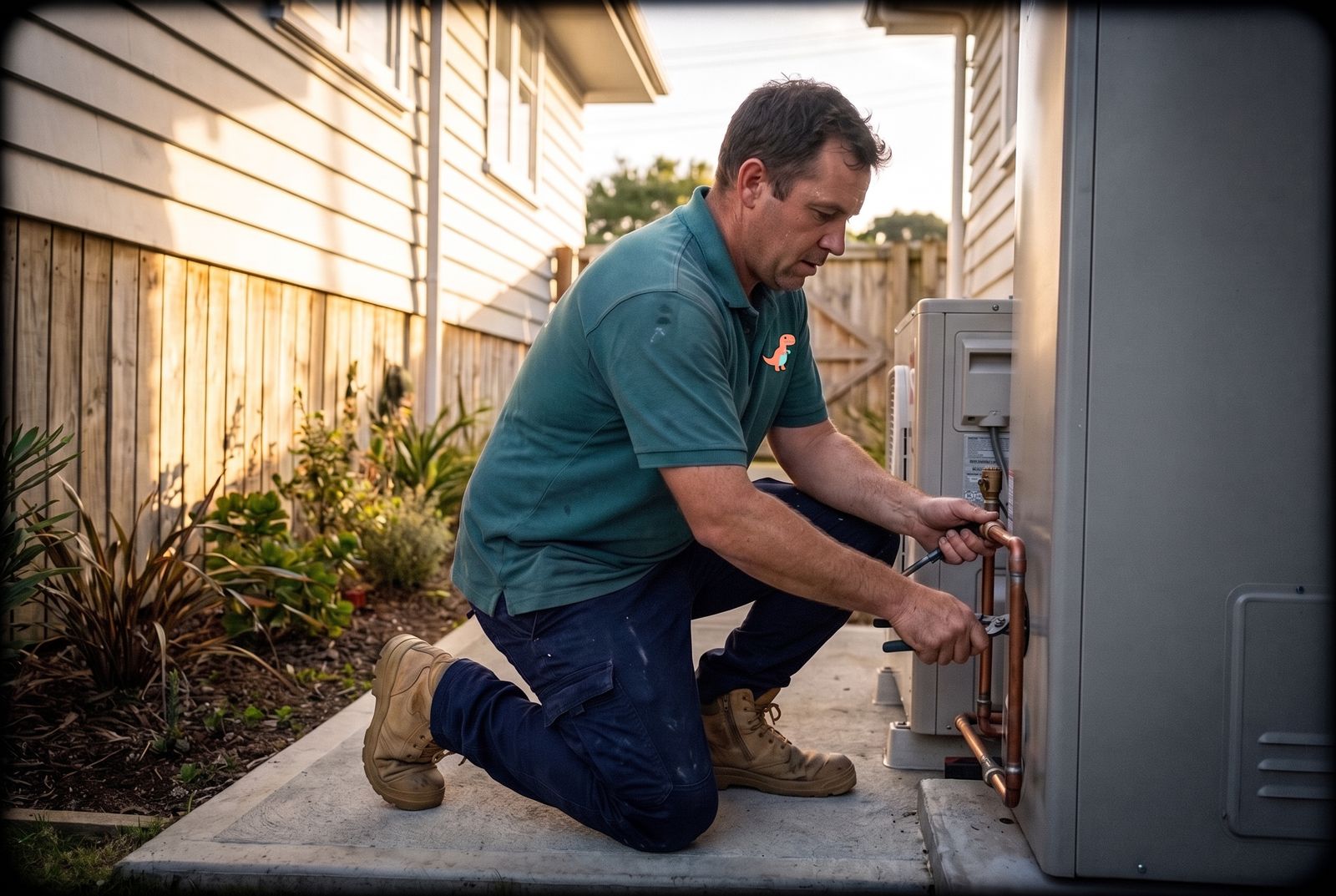
Heat Pump Hot Water
Heat pump hot water systems use up to 70 percent less power than a standard electric cylinder.
View serviceGas Hot Water
Gas storage hot water cylinders installed indoors or outdoors, old gas units replaced, and electric cylinders converted to gas.
View service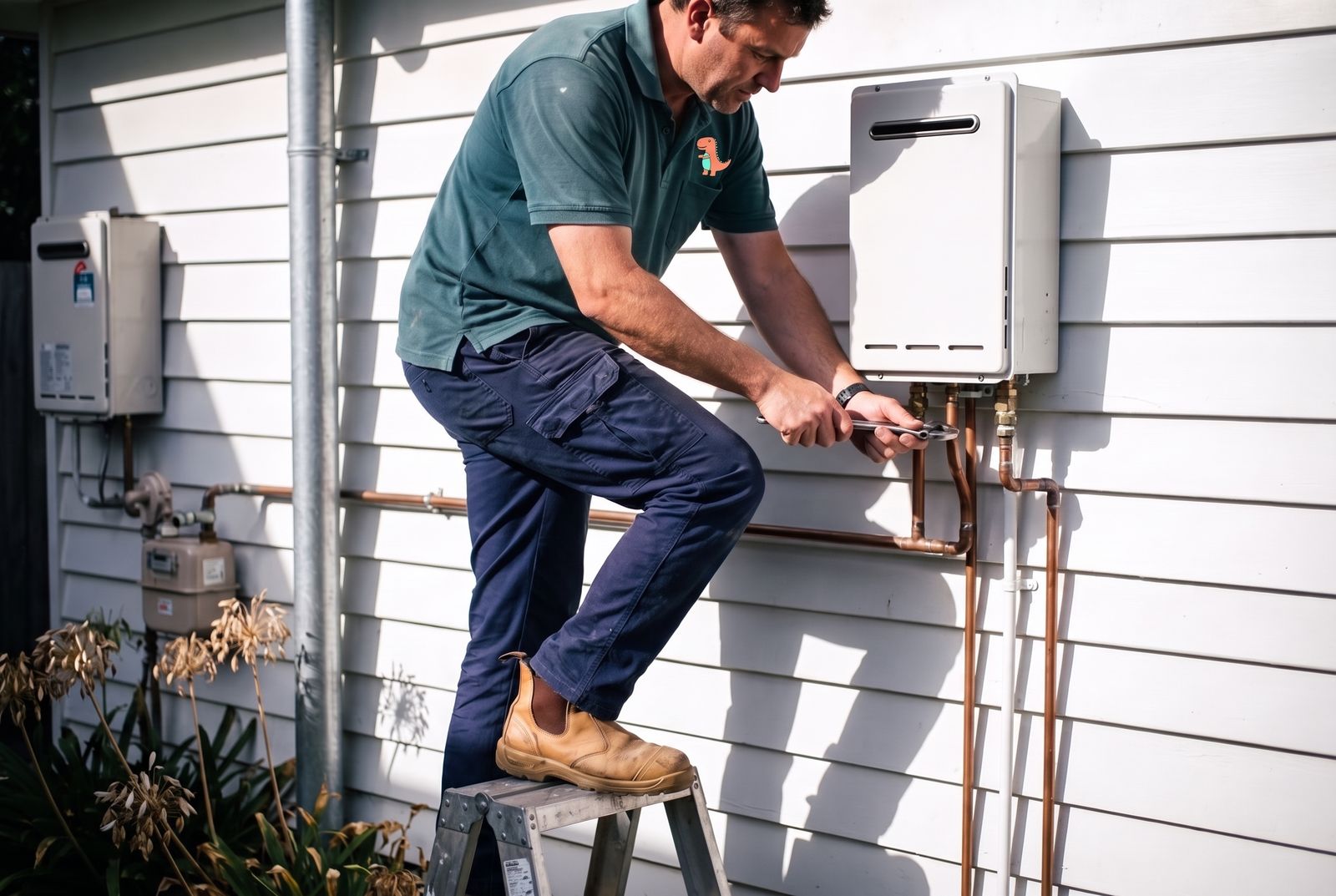
Continuous Flow Hot Water
Continuous flow gas hot water heats only what you use, so you never run out mid-shower.
View serviceRead Next
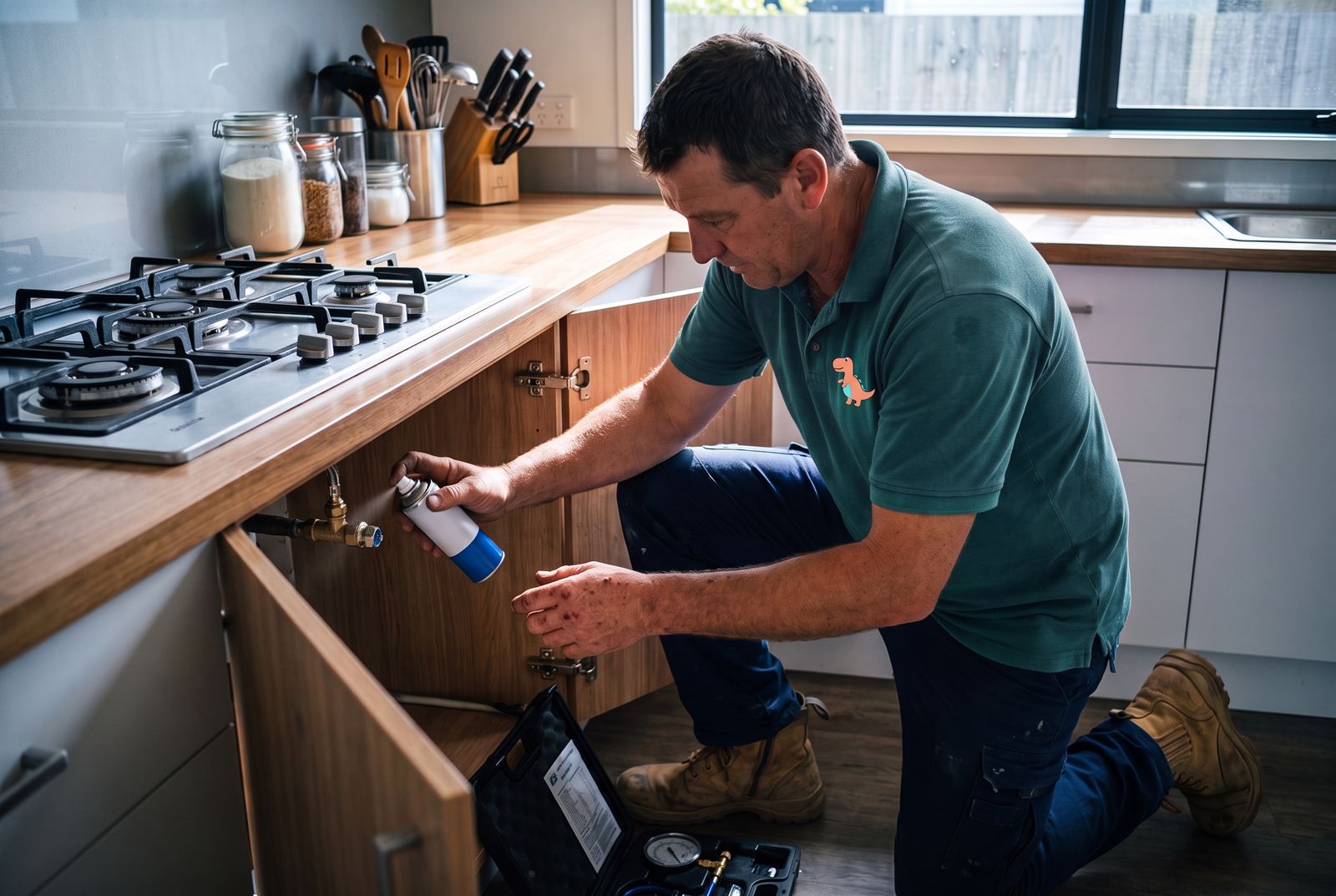
Getting Natural Gas in Wellington: Is Your Street on the Powerco Network?
Powerco owns the natural gas network in Wellington, the Hutt Valley and Porirua, and its online address checker tells...
Read article
Hot Water Cylinder Seismic Restraints: Is Yours Ready for a Wellington Quake?
Yes. Under the Building Code, a storage hot water cylinder has to be held against earthquake movement, and Acceptable...
Read article
Is Wellington Water Hard or Soft? What It Means for Filters and Cylinders
Wellington's tap water is soft. Tiaki Wai classes water under 100 mg/L of calcium carbonate as soft, and the supply to...
Read articleSources
More plumbing advice from the Cheeky's Plumbers team.
