Powerco owns the natural gas network in Wellington, the Hutt Valley and Porirua, and its online address checker tells you whether your property is within reach. If you live close to existing gas pipes, Powerco says you can most likely connect for free. You then choose a gas retailer and a licensed gasfitter. Kāpiti is not on Powerco's list, so homes there usually use LPG bottles.
Natural gas is piped to many streets in Wellington City, Lower Hutt, Upper Hutt and Porirua, but not all of them, and a house a few doors from a gas main can still be outside the network. Whether you can connect, and what it involves, comes down to your exact address.
This guide walks through checking your street, what the connection itself costs, who does each part of the job, the certificates you should end up with, and when LPG bottles are the better answer.
How do I find out if my house can get natural gas?
Use the address checker on Powerco's website. Powerco owns the reticulated gas network across Wellington, the Hutt Valley and Porirua, as well as Taranaki, Horowhenua, Manawatū and Hawke's Bay, and the checker shows whether your property is within it.
A few clues help before you check. A gas meter on a neighbour's wall, or a disused meter box on your own house, usually means there is a main in the street. Older inner-city streets are well served, and Powerco completed a four-year upgrade of central Wellington's gas pipes in 2021 to increase capacity.
If the checker says you are close to the network but not connected, the next step is to choose a retailer and talk to a gasfitter about where the meter and pipework would go. In the Hutt, our gas fitter Lower Hutt page covers local connections and appliance installs.
Is a natural gas connection free?
The network connection often is. Powerco says that if you live close to existing gas pipes, you will most likely be able to connect for free.
That covers getting gas to the meter. It does not cover the pipework from the meter to your appliances, the appliances themselves, or the certification of the installation, which are done by your gasfitter and paid for separately. Your gas retailer also charges for the gas you use under whatever plan you choose.
If your house is further from the main, or the network needs extending, there may be a cost. Powerco confirms that when you apply, so you will know before committing. On the inside work, ask your gasfitter for a fixed price that covers the pipe run, the appliance connections and the certificates, and check what happens if the pipe run turns out longer than expected.
Who does the work: Powerco, my retailer or a gasfitter?
All three have a part. Powerco owns the pipes in the street and arranges the connection and meter, your retailer sells you the gas and bills you, and a licensed gasfitter does all the work on your side of the meter.
The order usually goes: check your address, choose a retailer, choose a gasfitter, then Powerco's customer team arranges the connection and meter installation. Your gasfitter runs the pipe from the meter to each appliance, connects and tests them, and certifies the installation.
WorkSafe advises having any gasfitting done by a currently licensed gasfitter or certifying gasfitter, and asking to see their current practising licence card. All the pipework and appliance work on the property is the job of our gas fitting team.
| Who | What they do |
|---|---|
| Powerco | Owns the gas network, confirms you can connect, arranges the connection and meter |
| Your gas retailer | Sells you the gas and sends the bill |
| Licensed gasfitter | Installs pipework and appliances on your property, tests and certifies the work |
Thinking about gas?
Cheeky's Plumbers has licensed gasfitters who can plan the pipework, connect your appliances and hand over the certificates.
What certificates should I get after a gas connection?
You should receive a Gas Safety Certificate, and depending on the type of work a Certificate of Compliance as well. Keep both with your house papers.
WorkSafe explains that a Gas Safety Certificate is required for all gasfitting once the work is connected and confirms the installation is safe to use. It must be issued as soon as practicable, and no later than 20 working days after connection. A Certificate of Compliance is required for all general and high-risk gasfitting; your gasfitter can tell you which category your job falls into.
The paperwork matters beyond safety. Your gas supplier may ask for a copy of the gas certificate before it will supply gas, and certificates are useful when you sell the house, make an insurance claim, or apply for a Code Compliance Certificate after building work.
Can I get natural gas in Kāpiti?
Generally not. Powerco's listed network areas run from Porirua and the Hutt north to Horowhenua and Manawatū, but they do not include the Kāpiti Coast. Check Powerco's address checker for your exact property, but most Kāpiti homes use LPG.
That includes Paraparaumu, Raumati, Waikanae and Ōtaki. For gas cooking, fires or hot water there, the usual setup is two LPG bottles on an automatic changeover regulator against an outside wall, so one bottle can be swapped while the other keeps the supply going.
The safety rules do not change with the gas type. LPG installations must be done and certified by a licensed gasfitter, the same as natural gas. Our plumber Kāpiti Coast page covers the whole district.
Natural gas or LPG bottles: which suits my house?
If your street is on the network, natural gas is usually the more convenient choice because it never runs out and there are no bottles to order. LPG suits houses with no network access, small loads such as a cooktop, and homes where a meter and pipe run are impractical.
Appliances are set up for one gas or the other, so decide before you buy. Converting an appliance between natural gas and LPG is gasfitting work and is not possible on every model.
Think about how much gas you will use. A cooktop uses little, so a pair of bottles lasts a long time. A gas fire or continuous flow hot water uses much more, which means more frequent bottle swaps and a bigger bottle setup. Ask your retailer or bottle supplier for current prices, as we do not quote them.
Apartments are a special case. In Te Aro and other central apartment buildings, gas may already be piped through the building or ruled out by the body corporate, so check the building rules before planning anything.
- On the network and using gas for hot water and heating: natural gas is usually simplest
- Off the network, including most of Kāpiti: LPG bottles
- Only a cooktop, or a short-term rental: LPG bottles can be enough
- Not sure: get a gasfitter to look at both before you buy appliances
What can I run on natural gas?
Most homes connect gas for hot water, cooking or heating, and many start with one and add others later.
Gas water heating comes in two main types. A storage cylinder heats and holds a tank of water, while continuous flow hot water heats water only as you use it, so it does not run out mid-shower. Our gas hot water page explains how the two compare and what each needs in terms of flue clearance and gas supply.
Gas cooktops, ovens and fires can all be connected to the same supply, as long as the pipe is sized for every appliance running together. That is worth planning at the start, because adding a fire later can mean upsizing pipe that was only sized for a cooktop.
Cheeky's Plumbers can check whether your house is close to the network, plan the pipe run and give you a fixed price for the inside work. You can book online for a visit.
Frequently Asked Questions
How long does a natural gas connection take?
It depends on Powerco's schedule for the meter and on how much pipework your gasfitter needs to run. Ask Powerco and your gasfitter for timing once your address has been checked.
Can I have both natural gas and LPG?
Yes. Some houses use natural gas inside and a separate LPG bottle for an outdoor barbecue. Each appliance must be set up for the gas it uses.
What should I do if I smell gas?
Leave the house, do not use switches or anything that can spark, turn off the gas at the meter if it is safe, and call Powerco's gas emergency line on 0800 111 848 from outside.
Can I move my gas meter?
Meter changes involve Powerco, so contact your retailer or Powerco first. Any change to the pipework on your side of the meter must be done by a licensed gasfitter.
Do I need a building consent for a gas connection?
Gas work is certified by your licensed gasfitter with the certificates described above. If the gas work is part of a wider building project that needs consent, the gas certificate is included with your Code Compliance Certificate application. Your council can confirm whether your project needs consent.
Our Services
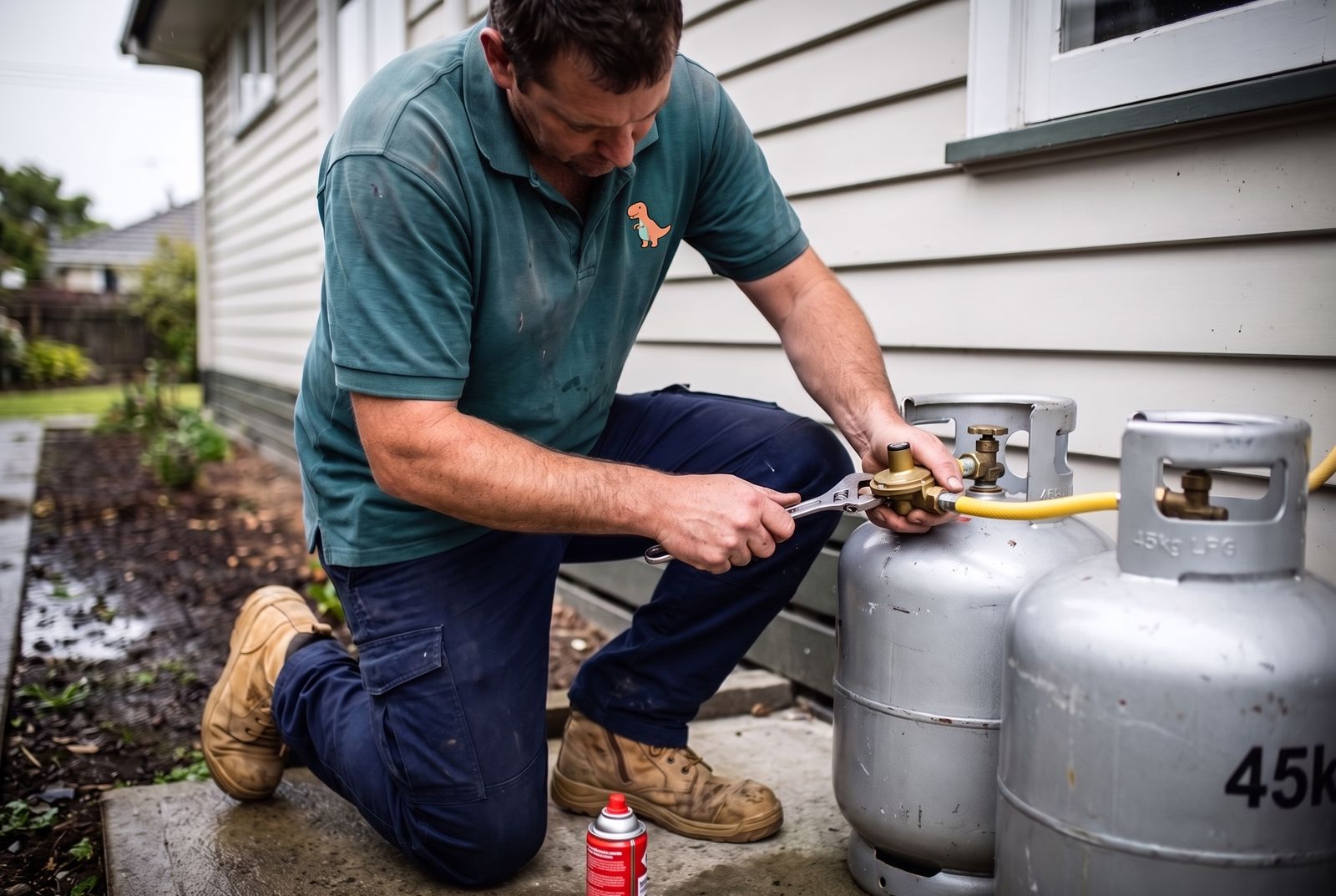
Gas Fitting
Certified gasfitters for natural gas and LPG across Wellington.
View serviceGas Hot Water
Gas storage hot water cylinders installed indoors or outdoors, old gas units replaced, and electric cylinders converted to gas.
View service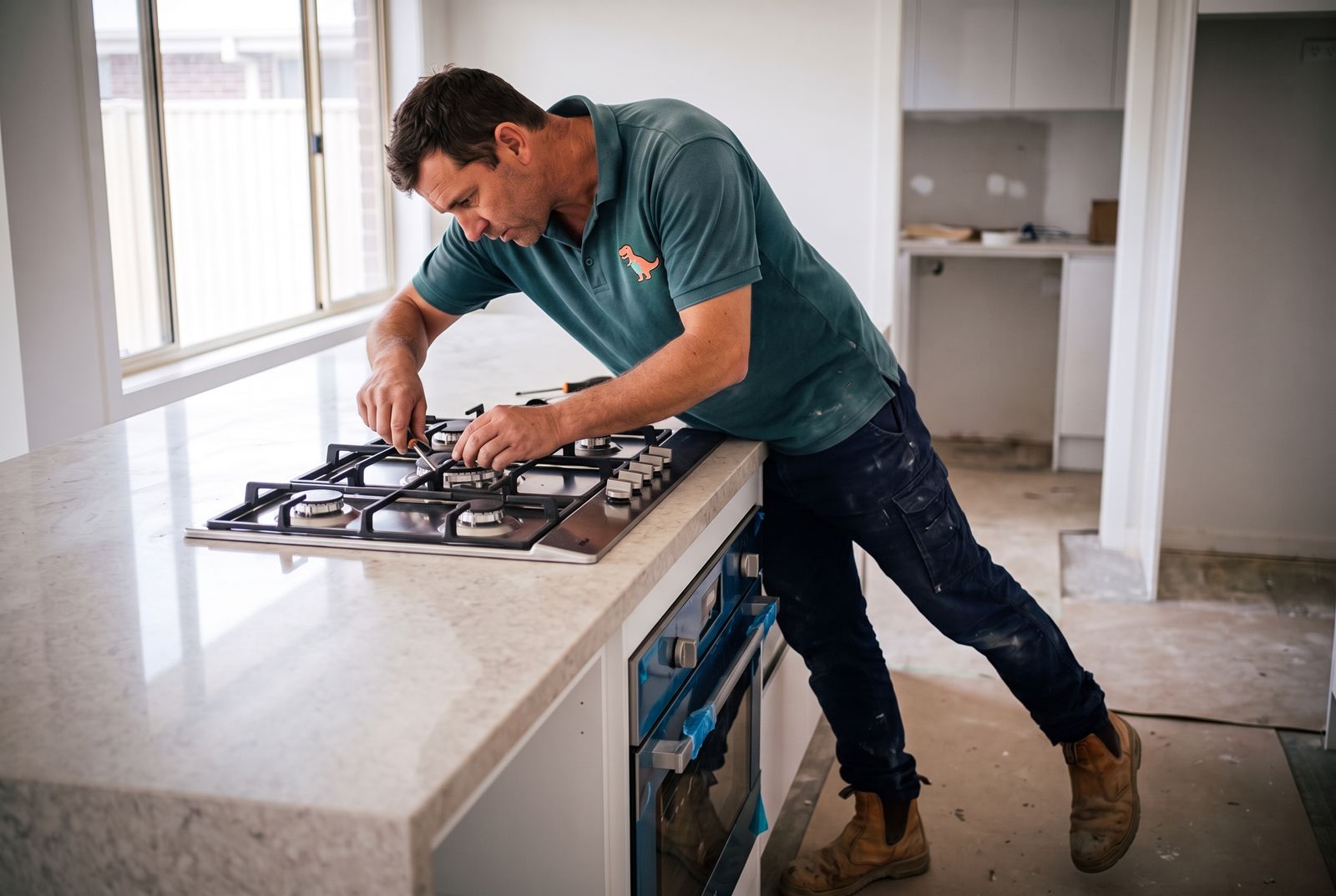
Gas Cooktops & Ovens
Supply or install gas hobs, cooktops, ovens and freestanding ranges.
View serviceRead Next
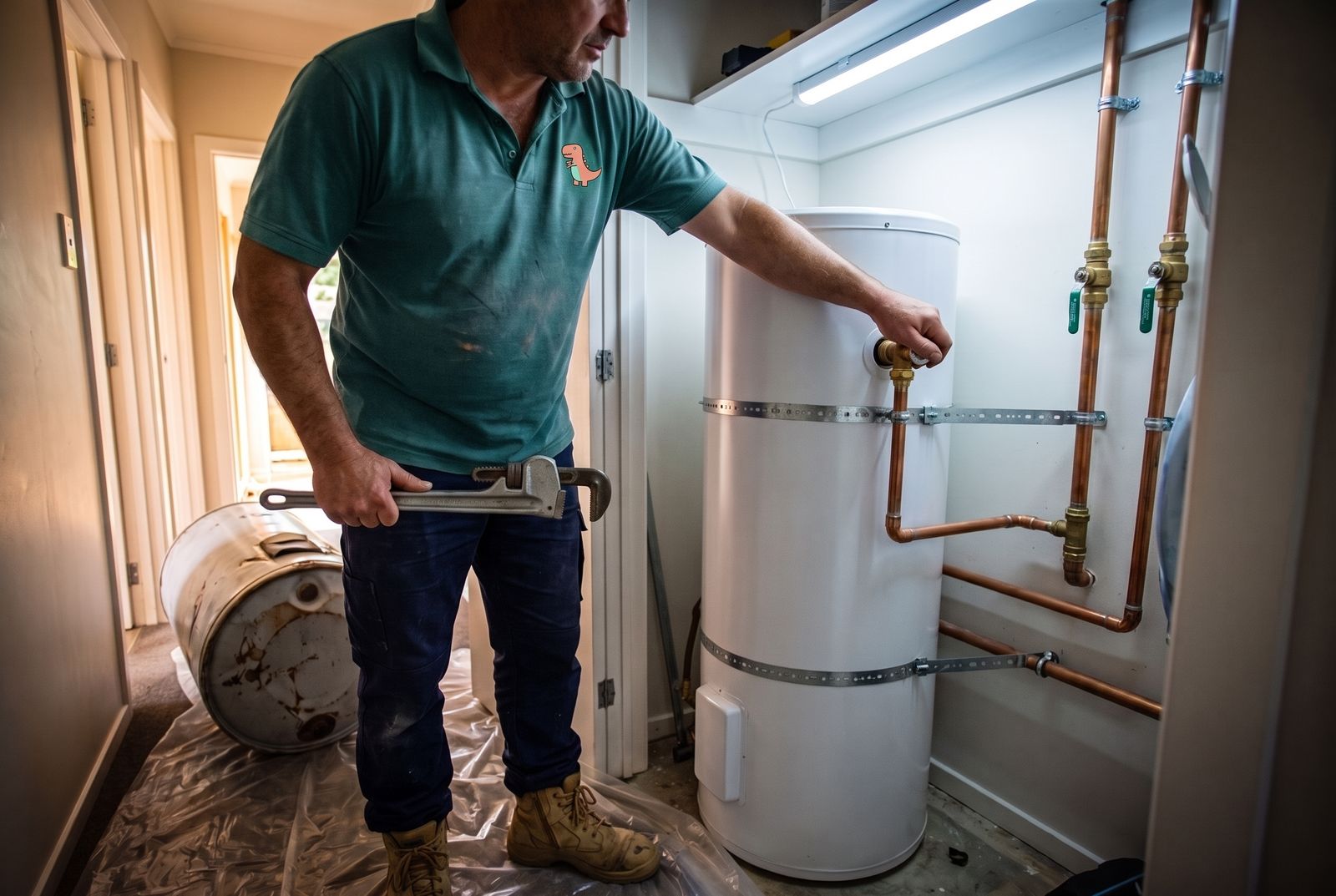
Gas, Electric or Heat Pump Hot Water in Wellington: Which Costs Less to Run?
For most households a hot water heat pump costs the least to run, a standard electric cylinder costs the least to buy,...
Read article
After an Earthquake: Checking Your Pipes, Drains and Gas in Wellington
Once everyone is safe, check for the smell or hiss of gas, look for water leaks, and do not flush toilets until you...
Read article
Hot Water Cylinder Seismic Restraints: Is Yours Ready for a Wellington Quake?
Yes. Under the Building Code, a storage hot water cylinder has to be held against earthquake movement, and Acceptable...
Read articleSources
More plumbing advice from the Cheeky's Plumbers team.
