
On a steep Wellington section, roof water and the drainage behind retaining walls should be piped to the stormwater system, never let loose onto a bank. BRANZ says a retaining wall must always have drainage behind it, usually a slotted pipe in free-draining gravel. In Wellington City, a wall over 1.5 metres high at any point, or one that carries a load, needs a building consent.
July 2022 was Wellington's wettest July on record, and about 670 slips were recorded between 1 July and 22 August that year. GeoNet linked them to saturated soil and to older ground that had been cut and filled decades earlier. A lot of the city's housing sits on exactly that kind of ground, from Brooklyn and Ngaio to the hills above the Hutt Valley.
Water is the part of slip risk a homeowner can actually manage. This guide covers where downpipes should go, how retaining walls are drained, what the council expects, and who is responsible when the ground does move.
Where should downpipes discharge on a hillside section?
Into the stormwater system through sealed pipes, never onto a bank and never into a gully trap. Tiaki Wai says roof pipes must connect to the stormwater system rather than wastewater, and that a downpipe feeding a gully trap needs to be redirected.
On a hillside it is tempting to let a downpipe spill onto the slope below the house, or onto the neighbour's side. That concentrates a whole roof's worth of rain on one patch of ground, which is exactly how a bank becomes saturated. Where the stormwater connection is a long way off, a drainlayer may need to run a sealed pipe down the section to reach it.
Overflowing spouting does the same damage as a loose downpipe, so keep it clear and sized for the roof. Our spouting and roof plumbing team can fix leaks, sags and blocked outlets. A quick check:
- Every downpipe ends in a sealed connection, not a splash block on a slope.
- No downpipes run into a gully trap.
- Spouting is clear, so water goes down the pipe rather than over the edge.
- Overflow points discharge away from banks, walls and foundations.
How should a retaining wall be drained?
With a slotted drainpipe behind the foot of the wall, wrapped in filter cloth and surrounded by free-draining fill, discharging to an approved stormwater system through a silt trap. BRANZ says drainage must always be provided behind a retaining wall to prevent water pressure building up.
Water trapped behind a wall adds a great deal of load. BRANZ also recommends weep holes at the foot of any solid wall. Open designs such as crib walls and gabions let some water through, but a drain behind them is still recommended. The parts of a well-drained wall:
Old walls often have drains that silted up years ago, or outlets that simply end in the bank. A CCTV drain inspection can follow the pipe and show whether it still carries water.
- Slotted pipe or drainage coil along the back of the footing.
- Filter cloth around the pipe so it does not silt up.
- Free-draining granular backfill behind the wall.
- Weep holes at the base of solid walls.
- An outlet piped to stormwater through a silt trap, not onto the ground below.
Can stormwater cause a slip?
Yes, water is one of the most common triggers. Saturated soil is heavier and weaker, and GeoNet linked the 2022 Wellington slips to saturated ground and to slopes cut and filled decades ago, with older cut slopes appearing more prone to failure.
A broken stormwater pipe can be worse than none, because it can pour water into the ground under a bank for months without anyone seeing it. Warning signs include a wet patch on a slope in dry weather, new cracks along the top of a bank, a wall starting to lean, and water seeping from the face of a cut.
The western hills show the pattern. Ngaio sits on the slopes of Mount Kaukau, and heavy rain in July 2017 brought a large landslide down onto Ngaio Gorge Road. Brooklyn climbs the steep slopes above Happy Valley. On sections like these, carrying water well clear of the bank matters as much as the wall itself.
Our stormwater drains team can find and repair broken lines and move discharge points away from slopes.
Water going where it should not?
Cheeky's Plumbers can trace your stormwater, check retaining wall drains with a camera and give you a fixed price to put it right.
Who is responsible for a slip that crosses the boundary?
It depends where the slip sits. Wellington City Council's 2022 slip guidance is that private land is the landowner's responsibility, public land is the council's, and where a slip crosses the boundary between them both parties work on it.
Between two private properties, neighbours generally need to agree how the repair is handled, and insurers will want to know where the water came from. A downpipe discharging onto a neighbour's bank is the kind of detail that matters. BRANZ also notes that the whole retaining wall, including the drainpipe behind it, must sit within the owner's legal boundary.
The Natural Hazards Commission (formerly EQC) provides land cover for landslip damage to the land under and within 8 metres of the home and under the main accessway up to 60 metres, and insured retaining walls count toward the land cap. For storm and flood damage, the commission's cover is for land only.
Do I need consent for a retaining wall or a new stormwater drain?
Often, yes. In Wellington City a retaining wall needs a building consent if it is load-bearing or more than 1.5 metres high at any point, and a resource consent may be needed if it is close to a boundary or higher than 2.5 metres. If you need both, get the resource consent first.
Nationally, Schedule 1 of the Building Act exempts a wall that retains no more than 1.5 metres of ground and supports no surcharge. BRANZ lists loads such as a building above the wall, vehicles and sloping backfill as reasons a low wall still needs consent. Exempt walls must still meet the Building Code.
Drainage is restricted work, so laying, altering or repairing a stormwater drain must be done by an authorised drainlayer. Some drainage jobs done by an authorised person do not need a building consent, while others do, so check with your council first. Hutt City, Upper Hutt and Porirua each have their own consents team, and Porirua offers free advice on whether a project needs consent. Our drainlaying team can tell you which applies to your job.
What should I check on my section before winter?
Walk the section in heavy rain. Where water goes in a downpour tells you more than any plan of the drains.
Rainfall varies a lot across the region. Wainuiomata Reservoir averages about 1,800 mm a year against 957 mm at Wellington Airport, so hill suburbs closer to the ranges get far more water than the airport figures suggest.
Many homes in the western and northern suburbs, from Karori to Tawa, sit on hillside sections like these. If something looks wrong, Cheeky's Plumbers can check the drains and give you a fixed price to fix them before work starts. Things to look for:
- Downpipes all connected and not spilling at the joints.
- Sumps and grates on driveways clear of leaves.
- Weep holes open and wall drains running after rain.
- No new cracks at the top of banks or behind walls.
- No water seeping from cut faces in dry weather.
Frequently Asked Questions
Can a retaining wall drain share a pipe with my downpipes?
Often it can, as long as the pipe is sized for both and the wall drain enters through a silt trap so soil does not wash into the system. A drainlayer should design the connection so one does not back up into the other.
Is a soak pit OK on a hillside section?
A soak pit relies on water soaking into the ground, which is the opposite of what you want above a bank. On most steep sections, piping water to the stormwater network is the safer choice. Check with your council before installing one.
My neighbour's downpipe drains onto my bank. What can I do?
Talk to them first and show them where the water lands. Roof water should go to the stormwater system, and a plumber or drainlayer can usually redirect it. If it is not resolved, your council can advise on the rules.
How do I know if my retaining wall drain is blocked?
Look for dry weep holes after heavy rain, water seeping through or over the face, damp ground at the top of the wall, or a wall that has started to lean. A camera inspection of the outlet pipe will confirm it.
Who do I call if a slip has already happened?
If people or homes are at risk, call 111. Report slips on roads or public land to the council. For broken pipes or drains on your property, get a plumber to make them safe, and contact your insurer as soon as you can.
Our Services
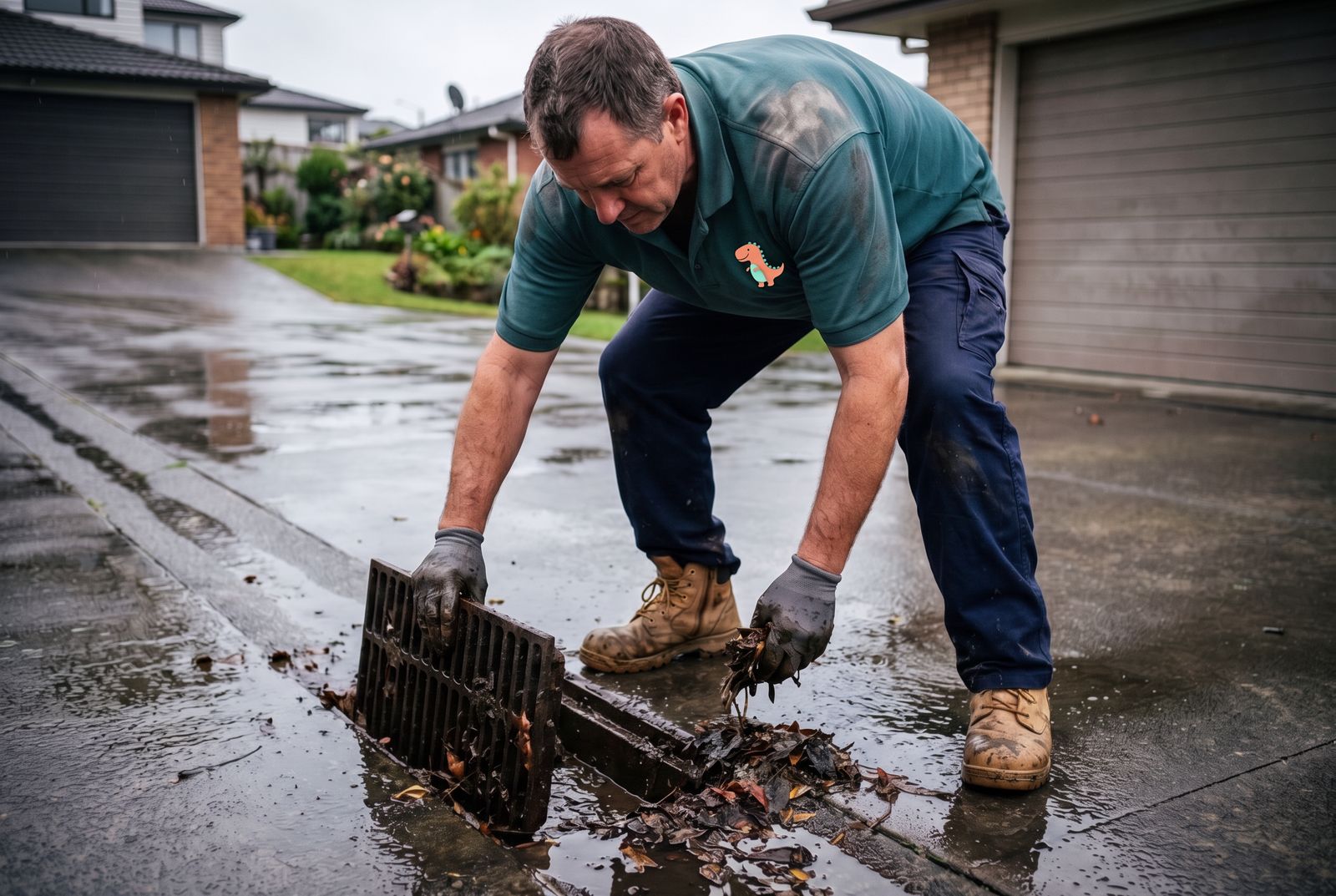
Stormwater Drains
Overflowing sumps, ponding lawns and blocked downpipes are signs your stormwater cannot keep up.
View service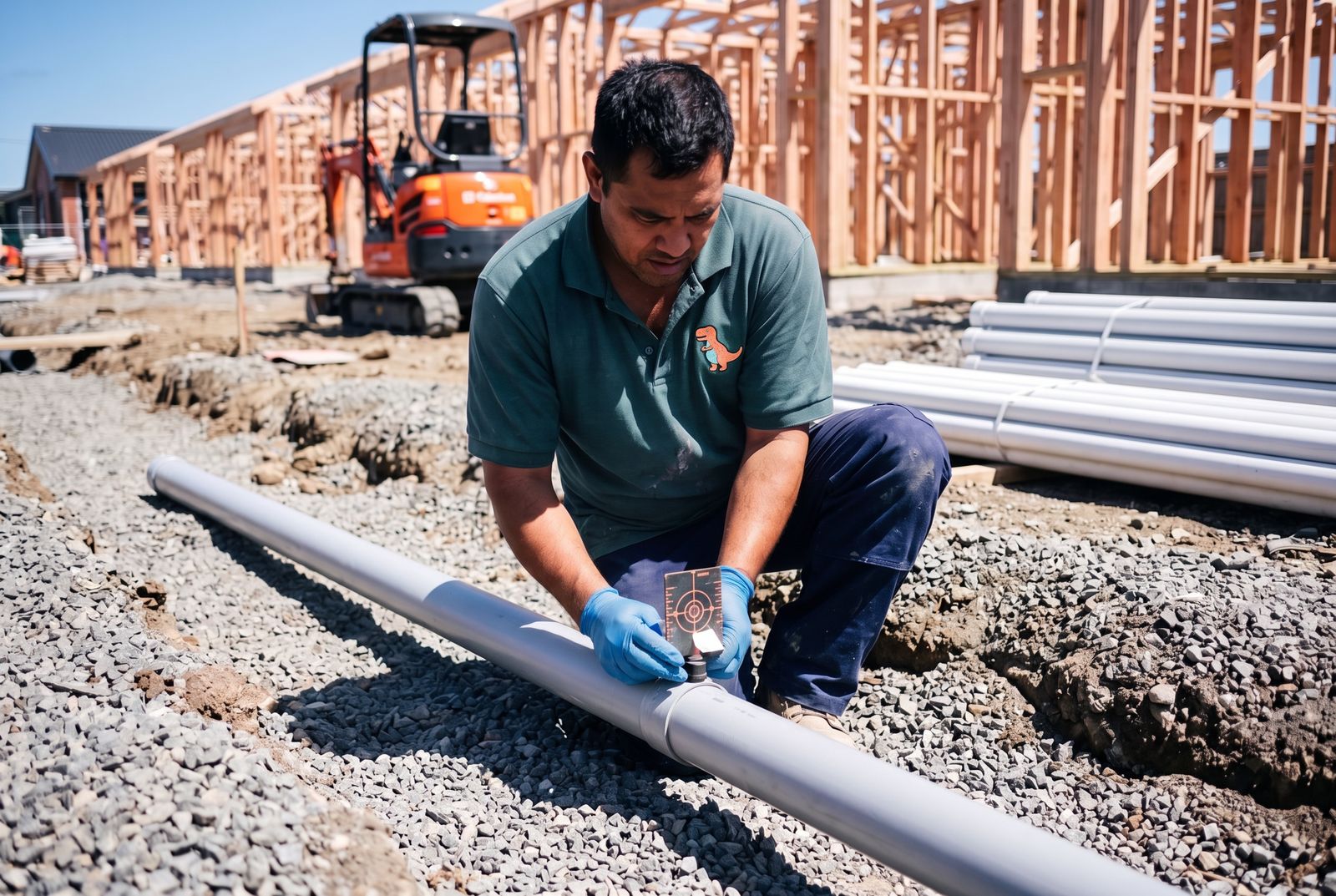
Drainlaying
New drains for extensions, new builds, minor dwellings and subdivisions, laid by certifying drainlayers.
View service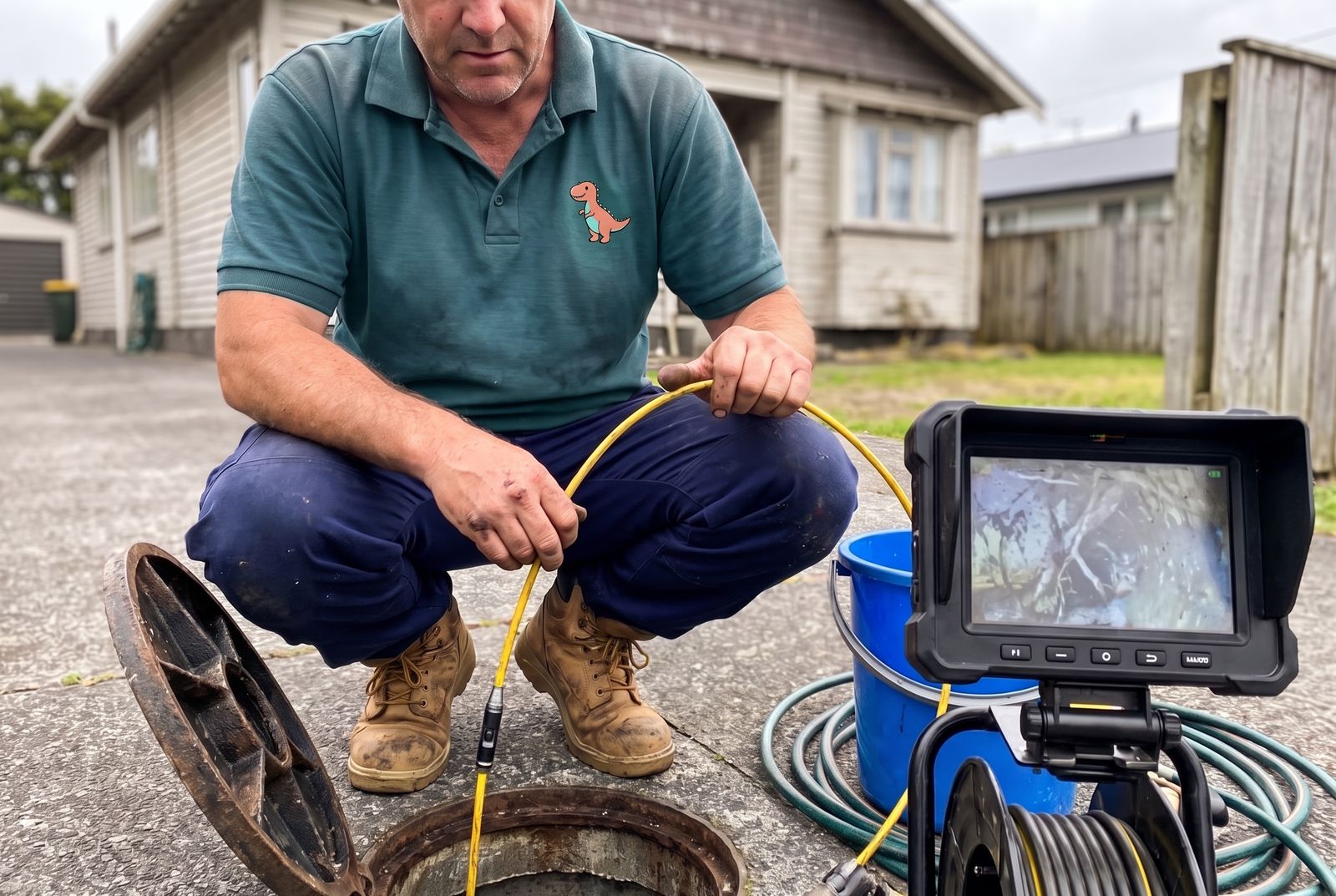
CCTV Drain Inspection
Our waterproof drain cameras show exactly what is happening inside your pipes: roots, cracks, sags, collapsed sections and illegal connections.
View serviceRead Next

After an Earthquake: Checking Your Pipes, Drains and Gas in Wellington
Once everyone is safe, check for the smell or hiss of gas, look for water leaks, and do not flush toilets until you...
Read article
Who Is Responsible for Water and Sewer Pipes on a Wellington Property?
On a Wellington property the owner is responsible for the water supply pipe from the toby to the house, and Tiaki Wai...
Read article
Emergency Water Storage for Wellington Homes: How Much and Where to Keep It
WREMO, the Wellington region's emergency management office, says every household needs its own water for at least seven...
Read articleSources
More plumbing advice from the Cheeky's Plumbers team.
